Fertile farmland, but no modern irrigation
Bacaad village is home to 485 households along the Shabelle River. Despite flood risks that damage farmland almost every year, its farmers produce large stocks of crops that reach many parts of Somalia.
Irrigation relied on traditional earth canals, where about 80% of the water was lost through porous soil. The main “Habar” canal ran 5.2 km with 26 secondary canals of 70 m each, and one irrigation cycle took 42 days.
Survey data and hydrology, turned into a design
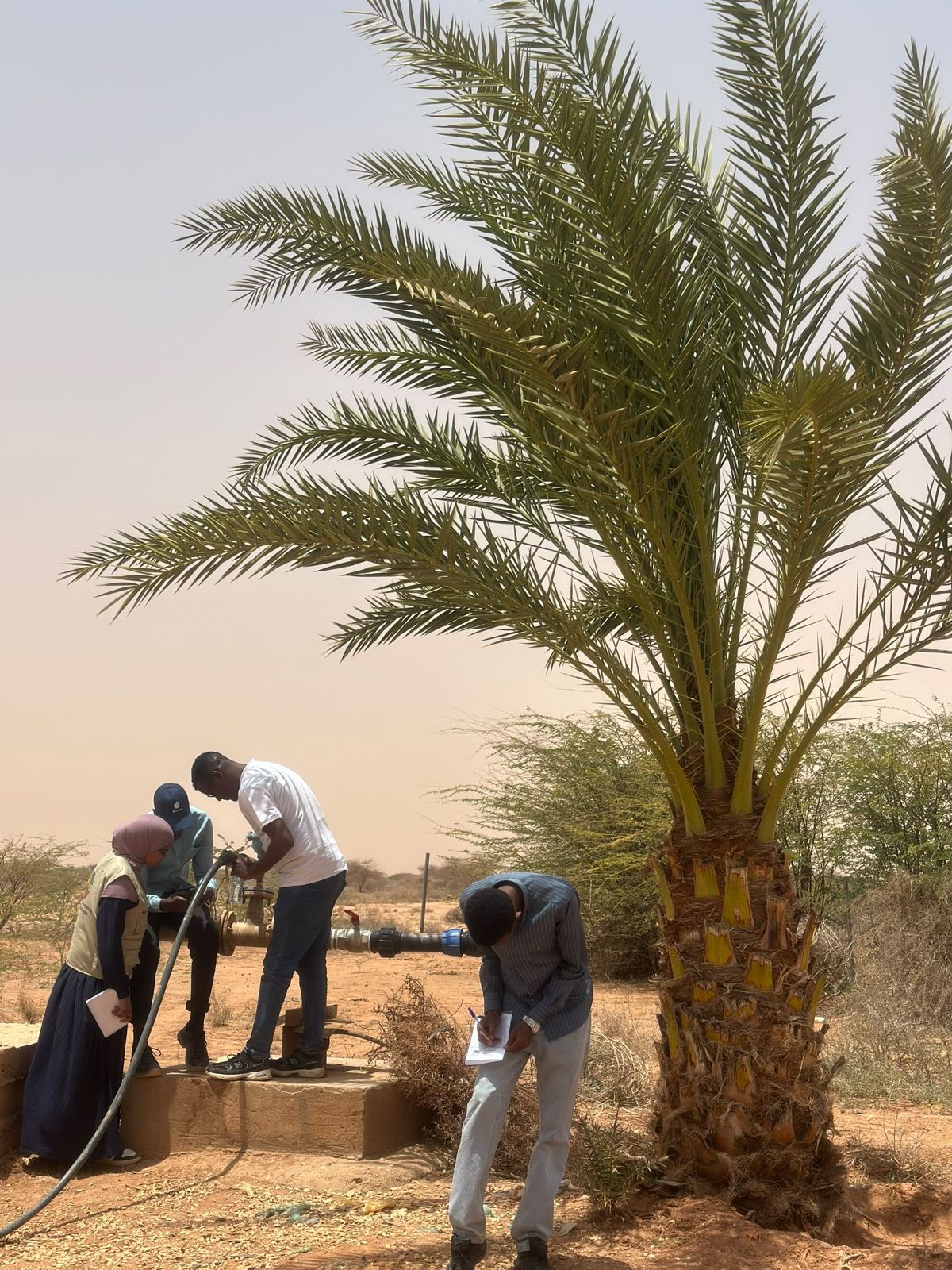
We analysed hydro and survey data from Bacaad’s farm fields to model the irrigation needed against the land that is cultivated or available, using ground-level hydrological calculations and survey data collection.
A solar-powered piped network
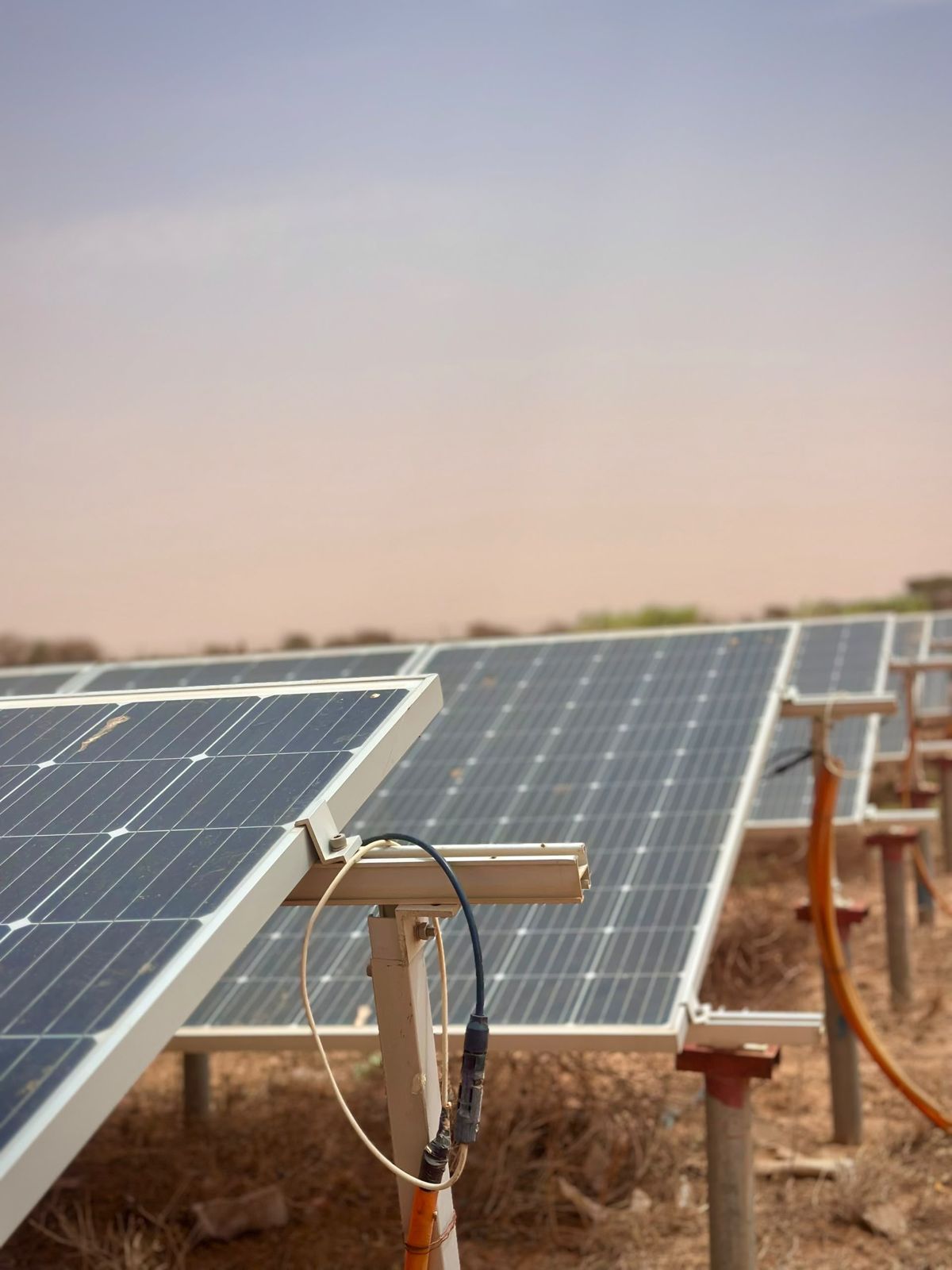
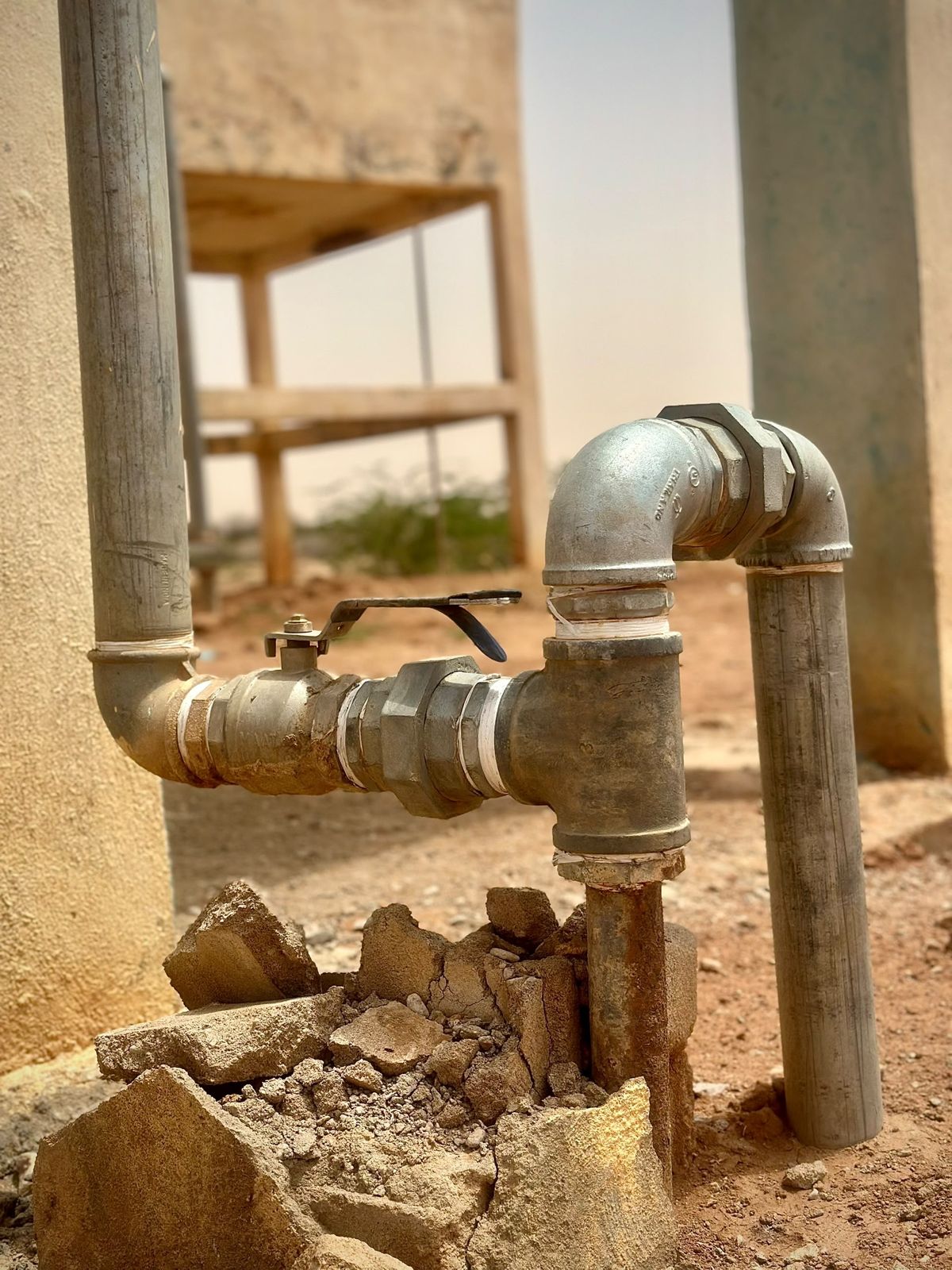
A solar-powered pump moves water through a 5.2 km primary pipeline with 26 chambers feeding the secondary piped lanes. The design cuts water loss, removes the cost of fuelling diesel pumps, and shortens the irrigation cycle.
Based on our hydro-calculations, farm output is expected to rise by almost 70%, with new crops in the short to medium term once farmers adopt the system in place of traditional practices.